


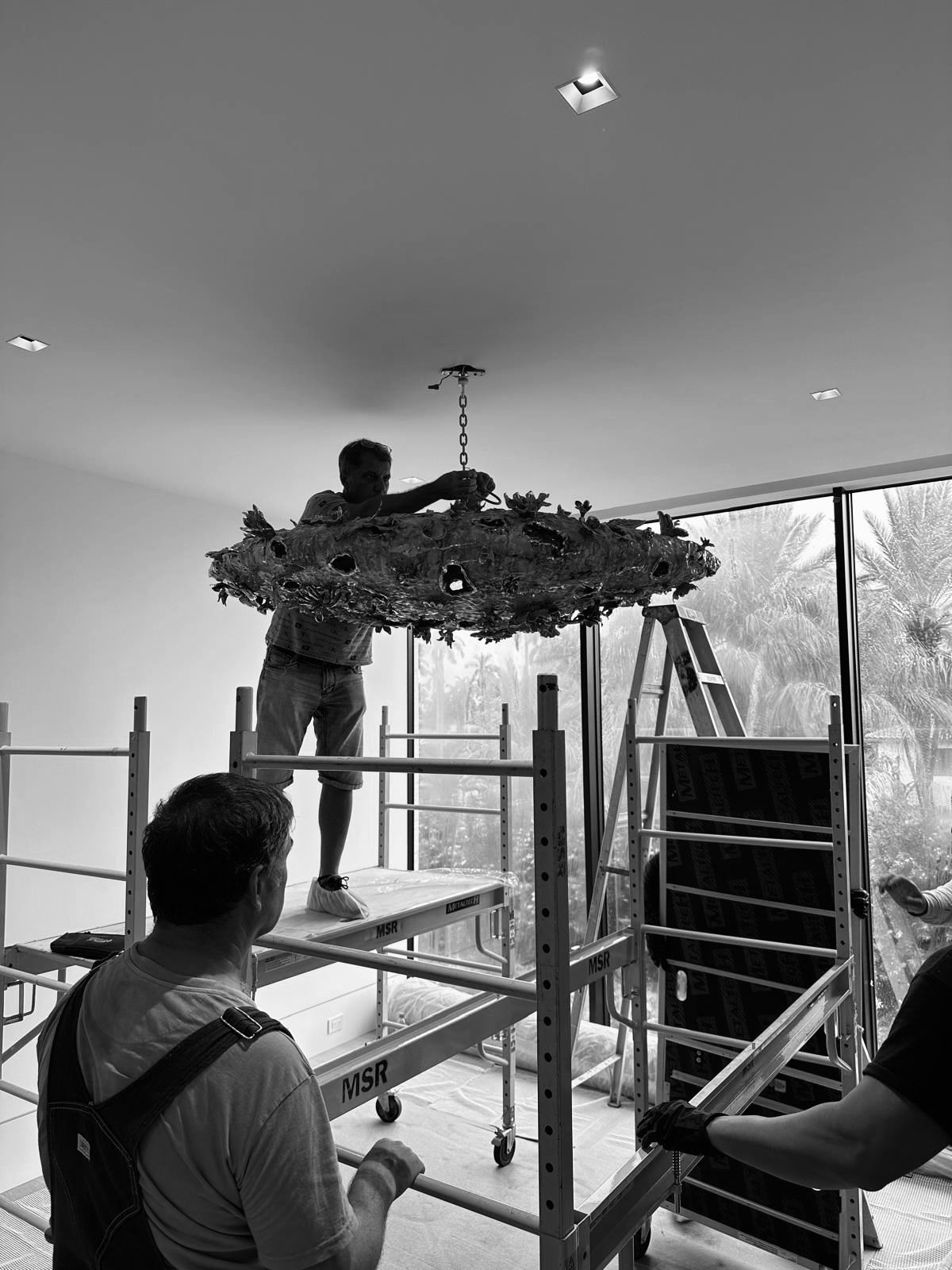
How Do I Plan Rigging Points for Suspended Sculptures?
Planning rigging points for suspended sculptures is a critical component of any installation involving overhead display. Whether it’s a monumental public installation or a smaller piece in a gallery, improper rigging can lead to catastrophic failure, injury, or damage to irreplaceable art. To ensure both structural safety and aesthetic integrity, you must follow an expert-driven approach that considers load calculations, structure evaluation, equipment choice, and coordination with experienced professionals.
Union Fine Art Services (https://unionfas.com) is a leader in fine art logistics and installation. Our team specializes in planning, engineering, and executing complex suspended installations with meticulous attention to safety and museum-quality standards.
1. Understand the Sculpture’s Physical Characteristics
Before rigging points can be determined, it’s essential to fully understand the sculpture’s:
- Weight and weight distribution
- Dimensions and shape
- Center of gravity
- Material composition
- Intended orientation (horizontal, vertical, tilted, kinetic)
This information informs the type and number of rigging points required. For instance, kinetic sculptures may require not only static rigging but dynamic load accommodation as well.
Union Fine Art Services Insight: We perform in-depth assessments, sometimes with 3D scans and structural simulations, to anticipate load behaviors in advance.
2. Collaborate with Structural Engineers Early
Involving a structural engineer from the start of the project is non-negotiable. Rigging points must be securely attached to structural members of the ceiling or overhead surface, such as beams, trusses, or concrete slabs. Surface materials like drywall, acoustic tiles, or decorative ceilings cannot support loads.
Key Considerations for Engineers:
- Load-bearing capacity
- Ceiling composition
- Load path to the foundation
- Potential vibration, sway, and building movement
Union Fine Art Services maintains partnerships with certified structural engineers experienced in high-risk or heritage buildings, ensuring installations comply with local codes and engineering best practices.
3. Choose the Right Rigging Equipment
Selecting appropriate rigging hardware ensures the sculpture is both safe and visually unobtrusive. Common rigging components include:
- Aircraft cables (galvanized or stainless steel)
- Eye bolts and anchors (rated and certified)
- Swivels and turnbuckles
- Gripple systems or tensioners
- Load-rated shackles and D-rings
Aesthetic Consideration: If cables or hardware are visible, consider color-coating or customized rigging components that blend with the environment or artwork.
Union Fine Art Services provides custom-fabricated rigging solutions and finishes, ensuring each piece complements the artist’s vision.
4. Conduct Load Calculations and Safety Factors
Each rigging point must be calculated not only to support the weight of the sculpture but also with a significant safety factor. Museums and galleries often require a minimum 5:1 safety factor.
Example: A 100 lb sculpture might need rigging components rated for 500 lbs or more.
Calculations must account for:
- Static loads
- Dynamic forces (e.g., wind, vibration)
- Redundancy systems
Union Fine Art Services uses industry-standard software to model these calculations, reducing installation risk and ensuring certification readiness.
5. Evaluate the Installation Site Thoroughly
No two ceilings are alike. A thorough site survey determines what is possible:
- Are structural plans available?
- Can temporary scaffolding or lifts be used?
- Are there mechanical systems, sprinkler lines, or lights to avoid?
- Is the ceiling height sufficient for the display intent?
Union FAS crews perform pre-installation walkthroughs and use laser measuring tools to map out safe, discreet, and structurally sound rigging point locations.
6. Plan Redundancy and Emergency Protocols
Suspended artworks carry inherent risks. Planning must include fail-safes:
- Redundant rigging (backup cables)
- Shock absorbers for dynamic motion
- Clear labeling and inspection schedules
All systems should meet or exceed ANSI E1.6-2-2013 and OSHA rigging standards. Union Fine Art Services installs according to these codes and offers post-installation inspection and documentation.
7. Minimize Aesthetic Disruption
An often-overlooked aspect of rigging design is visual impact. Ideally, rigging hardware should:
- Be nearly invisible from typical viewing angles
- Match the ceiling color or architectural features
- Be integrated into lighting trusses or false ceilings when available
Union FAS has executed installations in historic venues and luxury spaces where aesthetics were paramount, providing invisible or camouflaged rigging systems.
8. Integrate Artist or Curator Input
The final appearance and orientation of the sculpture are often critical to its meaning or curatorial statement. The artist may specify:
- Height from the floor
- Tilt or rotation angle
- Viewer sightlines
Union FAS liaises directly with artists and curators, even developing mock-ups or conducting temporary suspensions to finalize alignment before permanent installation.
9. Schedule for Multi-Stage Installation
Complex suspended installations often require phased approaches:
- Stage 1: Structural anchoring and hardware
- Stage 2: Equipment setup (scaffolding, lifts)
- Stage 3: Artwork placement and securement
Each stage may involve specialists in lighting, rigging, conservation, and art handling.
Union Fine Art Services provides full project management, coordinating across trades and ensuring safety at every step.
10. Document Everything for Future Reference
Once the rigging is in place, keep detailed documentation:
- Installation photos
- Engineering drawings and approvals
- Load ratings and hardware specs
- Maintenance and inspection schedule
Union FAS delivers complete installation dossiers, helping institutions comply with insurance, safety, and conservation requirements.
Why Union Fine Art Services Is the Ideal Partner for Suspended Sculpture Installations
Union Fine Art Services (https://unionfas.com) brings:
- Expertise in challenging, high-value installations
- Custom rigging fabrication for unique sculptural needs
- Coordination with structural engineers and insurance consultants
- White-glove service with museum-level handling standards
- Comprehensive project documentation and post-installation support
Whether your project involves a 3-ton mobile for a museum atrium or a delicate ceiling-hung piece for a private residence, Union FAS ensures it’s handled with safety, precision, and care.
Conclusion: Professional Planning is Essential
Rigging a suspended sculpture is never a DIY endeavor. From load path analysis to aesthetics, every element must be planned with expert oversight. A professional partner like Union Fine Art Services ensures that your art is not only safe and secure but also installed in a way that respects its integrity and maximizes its impact.
Let us help you elevate your next installation—literally and figuratively. Contact Union Fine Art Services to start your project with confidence.