


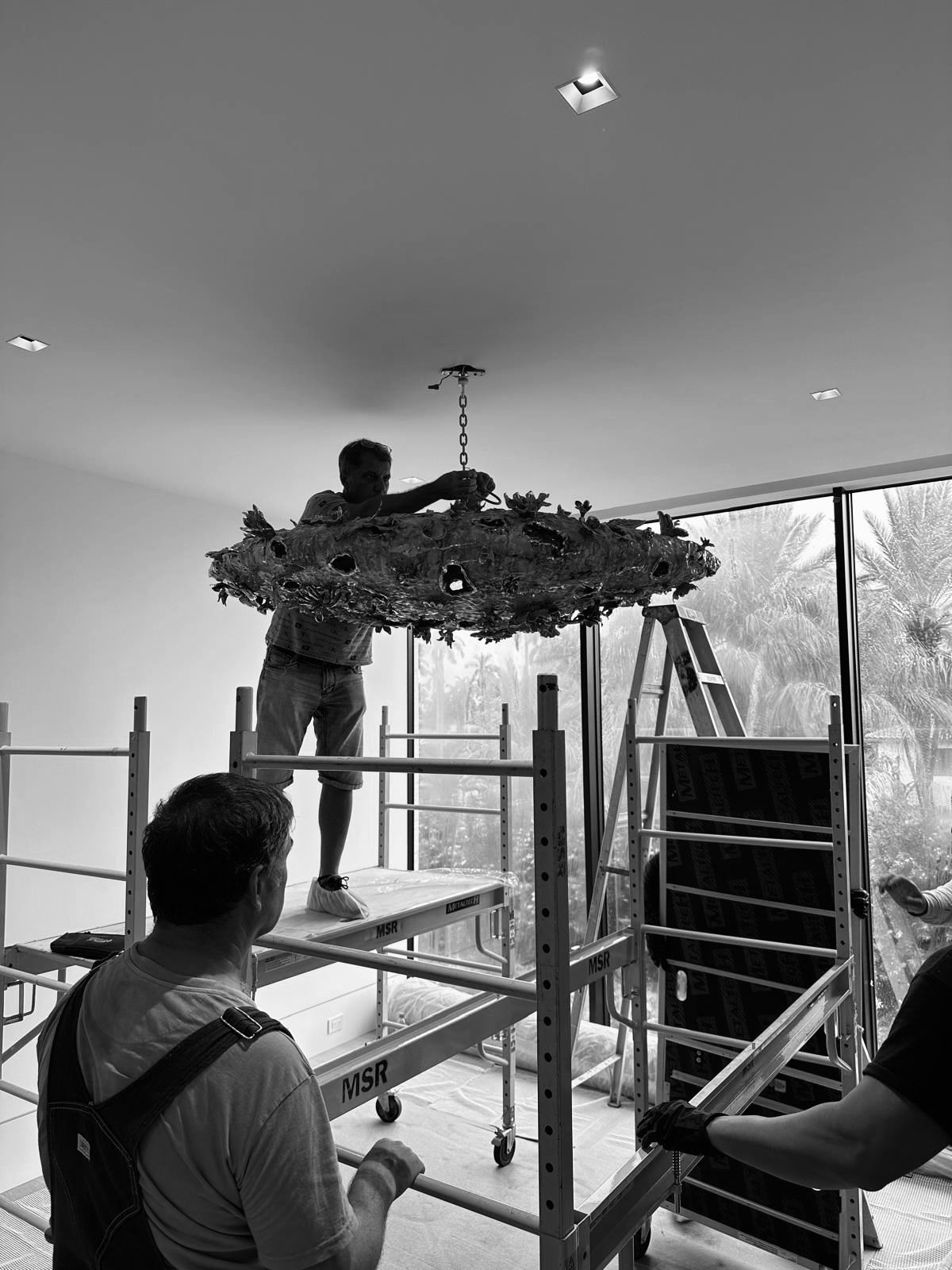
How Do I Perform a Site Survey for Load-Bearing Wall Assessments?
When preparing for a professional art installation—particularly for heavy sculptures, large-format paintings, or wall-mounted installations—understanding the structural integrity of the site is essential. One of the most critical aspects is assessing whether a wall is load-bearing and determining its capacity to support the artwork safely and securely. Improper evaluation can lead to costly damages, injury, or even legal liabilities. This is why art collectors, gallery owners, museum curators, and logistics managers must follow a rigorous site survey protocol before installation begins.
At Union Fine Art Services, we specialize in high-end art logistics, and our experienced team provides comprehensive on-site assessments as part of our full-service installation packages. In this article, we outline the best practices for conducting a site survey for load-bearing wall assessments, equipping you with practical guidance while positioning Union Fine Art Services as your go-to partner for fine art handling.
1. Why Load-Bearing Wall Assessments Matter in Art Installation
Load-bearing wall assessments are foundational to safe art installations. These walls support the structural weight of the building, and they may or may not be suitable for bearing the additional weight of artwork or custom framing systems.
Key reasons to assess include:
- Preventing Structural Damage: Heavy pieces can crack drywall, dislodge anchors, or compromise integrity.
- Ensuring Safety: Improper mounting could lead to falling artwork and pose serious hazards.
- Compliance with Regulations: Commercial spaces may have building codes requiring professional verification.
- Insurance and Liability: Many insurers and institutional clients require documentation proving a secure installation.
Union Fine Art Services’ team ensures that every installation meets structural and safety standards, offering peace of mind to collectors and institutions alike.
2. Pre-Survey Planning and Preparation
Before arriving on-site, planning ensures a productive assessment. Here’s how to begin:
a. Request Architectural Plans
Whenever possible, obtain blueprints or structural drawings. These documents help identify wall types and load paths. Look for:
- Wall materials (concrete, wood, steel stud, drywall)
- Beam and column locations
- Floor and wall load ratings
b. Define the Artwork’s Specifications
Gather all artwork details:
- Dimensions
- Weight
- Mounting system (cleats, brackets, French hangers)
- Environmental requirements (humidity, temperature)
At Union Fine Art Services, our intake process includes reviewing these specs and coordinating with structural engineers as needed.
c. Schedule Access and Safety Protocols
Ensure access to the wall in question and verify that the space complies with OSHA or local safety standards. If lifts, ladders, or scaffolding are required, confirm their availability in advance.
3. On-Site Evaluation: Identifying Load-Bearing Walls
Once on-site, a systematic physical inspection begins.
a. Visual Inspection
Start by examining the layout and construction style. In general:
- Load-bearing walls run perpendicular to floor joists.
- Central walls or those aligned with beams are often structural.
- Exterior walls are usually load-bearing.
b. Tapping and Sound Testing
Tapping on walls helps distinguish between hollow drywall partitions and solid or framed walls. A deeper, duller sound may indicate a stud-supported or concrete wall.
c. Use of Stud Finders and Scanners
Advanced tools help assess wall content:
- Electronic stud finders locate vertical framing.
- Wall scanners detect pipes, electrical, or steel reinforcements.
- Thermal imaging may be used to find inconsistencies or cold joints.
At Union Fine Art Services, we use top-grade tools like Bosch wall scanners and FLIR thermal cameras to detect hidden infrastructure.
d. Floor and Ceiling Correlation
Look above and below the wall in question. Walls aligned directly with beams, pilasters, or posts suggest they share vertical loads.
e. Probing or Coring (When Permitted)
In complex settings, minimally invasive techniques such as coring may be required. This should always be performed or supervised by licensed engineers or contractors.
4. Calculating Load Capacity
If a wall is deemed load-bearing, the next step is to calculate its capacity. This involves multiple variables:
- Type of material (concrete, wood, drywall)
- Anchor point locations
- Type of mounting hardware
- Distribution of load (point-load vs. distributed)
For example, a concrete wall can bear higher loads than drywall on metal studs, but even drywall can be safely used if the artwork is mounted into studs with weight-rated anchors.
Union Fine Art Services works with structural engineers when needed to ensure certified calculations and safe mounting techniques.
5. Reinforcement and Alternative Solutions
Sometimes a wall does not meet the needed specifications. In such cases:
a. Add Reinforcement
- Backing panels
- Additional framing
- Structural bracing
b. Use Free-Standing Mounting Systems
- Plinths or pedestals
- Custom wall stands
- Freestanding panels
c. Install Ceiling-Mounted Supports
In some galleries, it’s possible to suspend artworks using overhead systems—provided ceiling loads are also calculated.
Union Fine Art Services offers custom fabrication and reinforcement consulting for challenging installations.
6. Documentation and Reporting
Once the site survey and wall assessment are complete, thorough documentation is critical:
- Annotated photos of the wall and structure
- Diagrams indicating stud and anchor locations
- Load capacity report (if needed)
- Mounting method specifications
- Signed assessment report for insurance/legal purposes
Union Fine Art Services delivers professional reporting with every site survey, ensuring transparency and client confidence.
7. Additional Factors: Environment and Accessibility
a. Humidity and Temperature
Some artworks require a stable climate. Installing HVAC sensors or verifying passive climate control is crucial for fragile media.
b. Lighting and Viewing Angles
Wall assessments should also include lighting evaluations. Mounting may need to be adjusted for reflection, glare, and optimal viewing height.
c. ADA and Public Space Requirements
In public installations, clearances and safety buffers must comply with local codes.
Union Fine Art Services coordinates with lighting designers, accessibility consultants, and curators to achieve a unified installation vision.
8. Why Choose Union Fine Art Services
Union Fine Art Services (https://unionfas.com) is a full-service provider offering:
- Certified load-bearing assessments
- Art installation planning
- On-site project management
- Climate-controlled transportation and crating
- Mounting hardware and engineering consultation
Whether you’re installing in a private residence, corporate headquarters, or world-class gallery, our meticulous process ensures your artwork is installed beautifully and safely.
Conclusion: Site Surveys Are Essential for Load-Bearing Wall Safety
Performing a thorough site survey for load-bearing wall assessments is not optional—it’s essential. It protects your artwork, your space, and your reputation. By planning, using the right tools, and relying on expert guidance, you can confidently move forward with any installation.
Partner with Union Fine Art Services for comprehensive, professional site surveys and white-glove installation services. From engineering to aesthetic placement, we take care of every detail.
Visit https://unionfas.com to learn more or schedule a consultation today.