


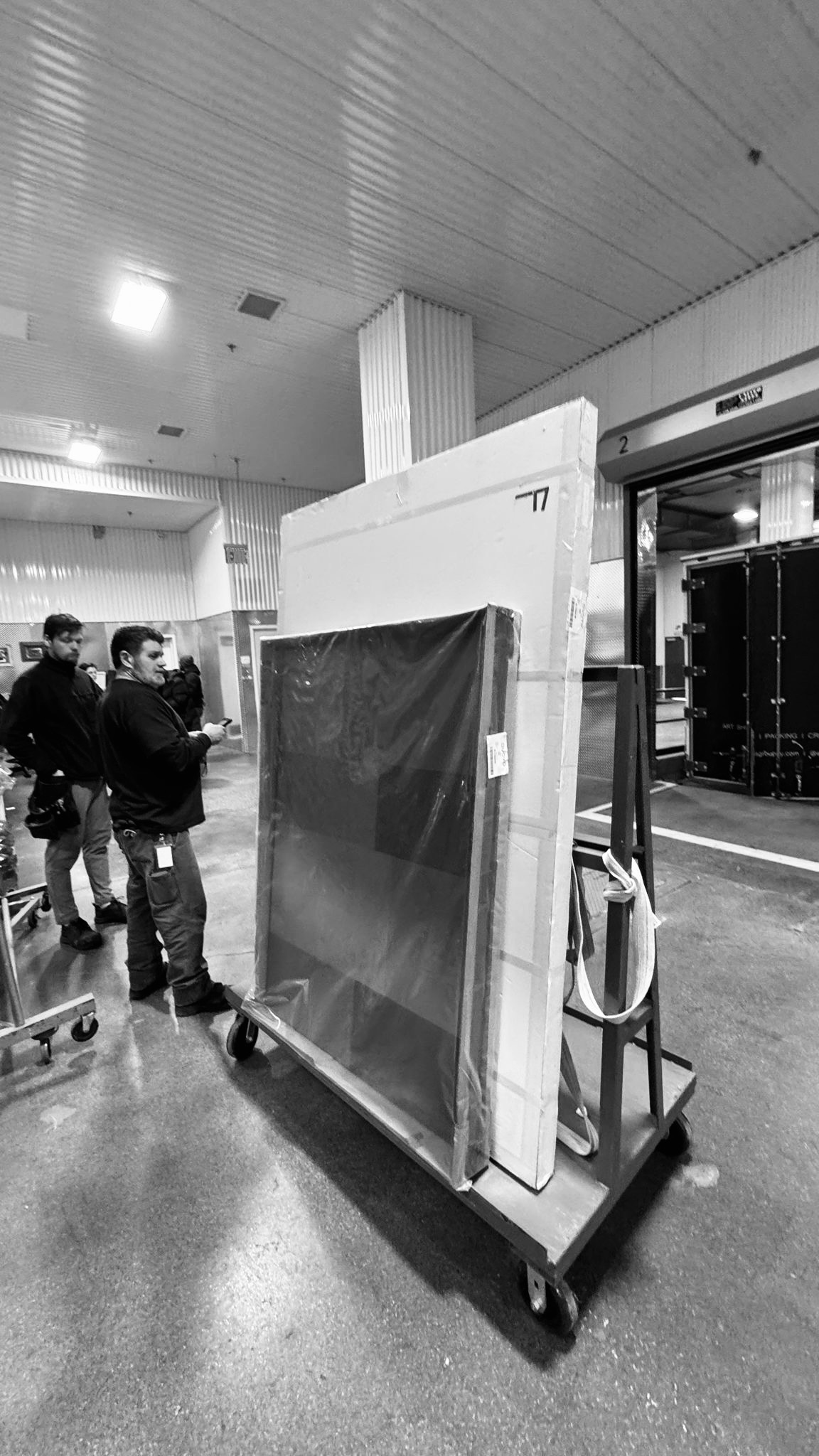
When packaging and crating fine art, selecting the right materials is not just a question of cost—it’s a matter of preservation, safety, and professionalism. One of the most common material dilemmas clients face is whether to use marine-grade plywood or standard plywood for their crates. Understanding the differences between these two materials can make or break the security of a shipment, especially when transporting high-value or sensitive art pieces across climate zones, international borders, or marine environments.
At Union Fine Art Services (https://unionfas.com), we offer expertly engineered packaging and crating solutions tailored for every type of media. Below, we explore the critical differences between marine-grade and standard plywood, with a sharp focus on cost implications, performance, and appropriate use cases in the fine art logistics world.
What is Marine-Grade Plywood?
Marine-grade plywood is a high-performance, water-resistant material made from durable face and core veneers. These veneers are free from defects, voids, or knotholes that can compromise structural integrity. The adhesive used is waterproof, meeting or exceeding BS 1088 or APA standards, making the plywood resistant to delamination even under prolonged moisture exposure.
Key Characteristics:
- Made from hardwood (often Douglas fir or okoume)
- Exterior-grade waterproof glue
- No voids or air pockets in core layers
- Resistance to fungal and insect attacks
- Complies with international marine standards
What is Standard Plywood?
Standard plywood—also referred to as construction-grade or interior plywood—is a general-purpose material used widely in construction, cabinetry, and basic packaging. It consists of multiple wood veneers bonded together with interior-grade adhesive, which may not hold up well in humid or wet conditions.
Key Characteristics:
- May contain softwood cores
- Non-waterproof adhesive (interior grade)
- Can contain voids and knots
- Not recommended for prolonged outdoor or marine exposure
- Less costly than marine-grade plywood
Cost Comparison: Marine-Grade vs. Standard Plywood
1. Raw Material Costs
- Marine-Grade Plywood: $100–$200 per sheet (4×8 ft), depending on thickness and wood species
- Standard Plywood: $30–$70 per sheet (4×8 ft), depending on thickness and grade
Marine-grade plywood can cost 2 to 3 times more than standard plywood due to its higher manufacturing standards, better wood quality, and water-resistant properties.
2. Labor & Handling Costs
- Marine plywood’s higher density often requires additional labor for cutting, drilling, and assembly.
- However, it often leads to fewer structural failures, reducing rework and insurance claims.
3. Durability and Lifecycle Value
- Marine-grade plywood offers a higher return on investment (ROI) for reusable crates.
- Standard plywood may be suitable for one-time or low-risk shipments, but it increases the chance of damage in long-haul or international transport.
4. Shipping and Logistics Costs
- Crates made with marine-grade plywood may weigh more, potentially increasing freight costs.
- However, damage mitigation from superior moisture resistance often outweighs these extra costs, especially for maritime transport.
When to Use Marine-Grade Plywood
Choosing marine-grade plywood makes sense when:
- Art is being shipped via ocean freight or high-humidity environments
- Crates will be stored outdoors for extended periods
- The crate is designed for reuse in multiple shipping cycles
- High-value, moisture-sensitive, or antique items are involved
Common Media That Benefit from Marine-Grade Crates:
- Oil paintings with delicate varnish layers
- Mixed-media sculptures with organic materials
- Historical artifacts sensitive to moisture fluctuations
- Large format installations with electrical or AV components
When Standard Plywood is Sufficient
Standard plywood is appropriate when:
- The shipment is domestic or in a low-risk environment
- The crate is disposable or single-use
- Budget constraints are a major concern
- Items are already protected by additional internal packaging or climate-controlled transport
Common Media That May Be Shipped with Standard Plywood Crates:
- Framed photographs with protective glazing
- Metal or ceramic sculptures
- Low-risk, low-value installations for short-term exhibitions
Engineering Crates for Specific Media Types
Material choice isn’t just about marine vs. standard plywood—it’s about media-appropriate crate engineering. At Union Fine Art Services, we assess each project with a precision-based approach that considers:
- Material Sensitivity: Organic vs. inorganic components
- Environmental Exposure: Transit duration, climate zones, humidity risk
- Handling Requirements: Vibration, stacking, forklift access
- Client Budget: Total cost of materials vs. risk tolerance
Why Crating Material Choice Matters
The wrong material can lead to:
- Mold growth from moisture ingress
- Warping or collapsing of the crate structure
- Insurance claim rejections
- Devaluation of art due to environmental damage
- Unanticipated repacking or restoration costs
Real-World Scenario:
A gallery shipped a mixed-media textile sculpture from New York to Hong Kong using standard plywood. Upon arrival, condensation during ocean transport caused warping, compromising the frame and internal supports. A marine-grade plywood crate with proper vapor barriers would have prevented the issue. Union Fine Art Services provides these exact evaluations during the design phase to avoid costly damage.
Union Fine Art Services: Your Crating Partner
At Union Fine Art Services, our team specializes in tailoring crates to the unique requirements of fine art and cultural objects. Whether your shipment is bound for a coastal museum, an international biennale, or a private collector overseas, we offer:
- Material selection expertise (marine-grade, standard, composite)
- Custom crate design for vibration, shock, and humidity control
- ISPM-15 compliance for international shipping
- Cost-risk analysis for every project
- Eco-friendly and reusable crate systems
We don’t believe in one-size-fits-all solutions. Our experience spans museums, galleries, auction houses, and private collectors, ensuring your art arrives safely and within budget.
Conclusion: Making the Right Choice
While marine-grade plywood is more expensive up front, it offers enhanced protection and long-term value, especially for high-risk shipping environments. Standard plywood remains a viable choice for low-risk, short-haul, or single-use crates, but with trade-offs in durability and resistance.
To make the most informed decision, consult with professionals who understand the nuances of both cost and conservation. Union Fine Art Services brings decades of technical experience, a museum-grade mindset, and a passion for protecting creativity.
Ready to crate smarter?
Visit https://unionfas.com to schedule a consultation or request a custom quote.